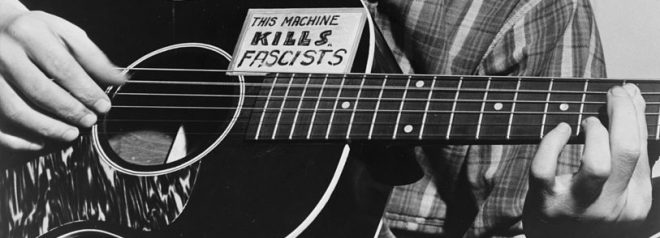
The RPM is indeed a movement like those political or religious, artistic or literary, even those symphonic or prosodic.
Most literally, however, movement describes the act or process, manner or style, of passing from place to place, of regular motion. Movement here is physical, spatial, embodied: from athletics, dance and yoga, to road trips, air travel and walking. The expression of such movement across borders and boundaries leads The RPM to exploration of travel and migration, which also expand one’s range and dexterity of motion, physical and mental, to include that beyond familiar limits. Always immigrants, nomads, vagabonds, pilgrims, those of The RPM are never sedentary, for That Sent(ient never truly arrives: we all, always, are just passing through. Movement’s ubiquity is in fact most experientially striking in moments of utter stillness– in quiet, mindful observation of the surging susurrations of the blood; the rise and fall of subtlest breath; the twinkling of shadow and sunlight under a trembling canopy of trees. Movement eludes capture and allows escape, but with stasis an illusion in any case, The RPM is no less moved by a sense of home, of belonging, which besides comfort within one’s body and community assumes an imperative of ecological responsibility. Nonetheless, we remain inescapably fugitive through time itself; always subject to inevitable change, to irrepressible impermanence. When That Sent(ient becomes sensitive, despite appearances, to never actually arriving, it is its well-source of profoundest embodied e-motion– most deeply moving.
 THE REVOLOCUTIONARY PATHETIC MOVEMENT